Dracula has been the subject of numerous folktales and stories for centuries. We have feared his sharp-fanged, blood-hungry, immortal self. His name is passed down through the generations and has been mentioned in many fictions and movies.
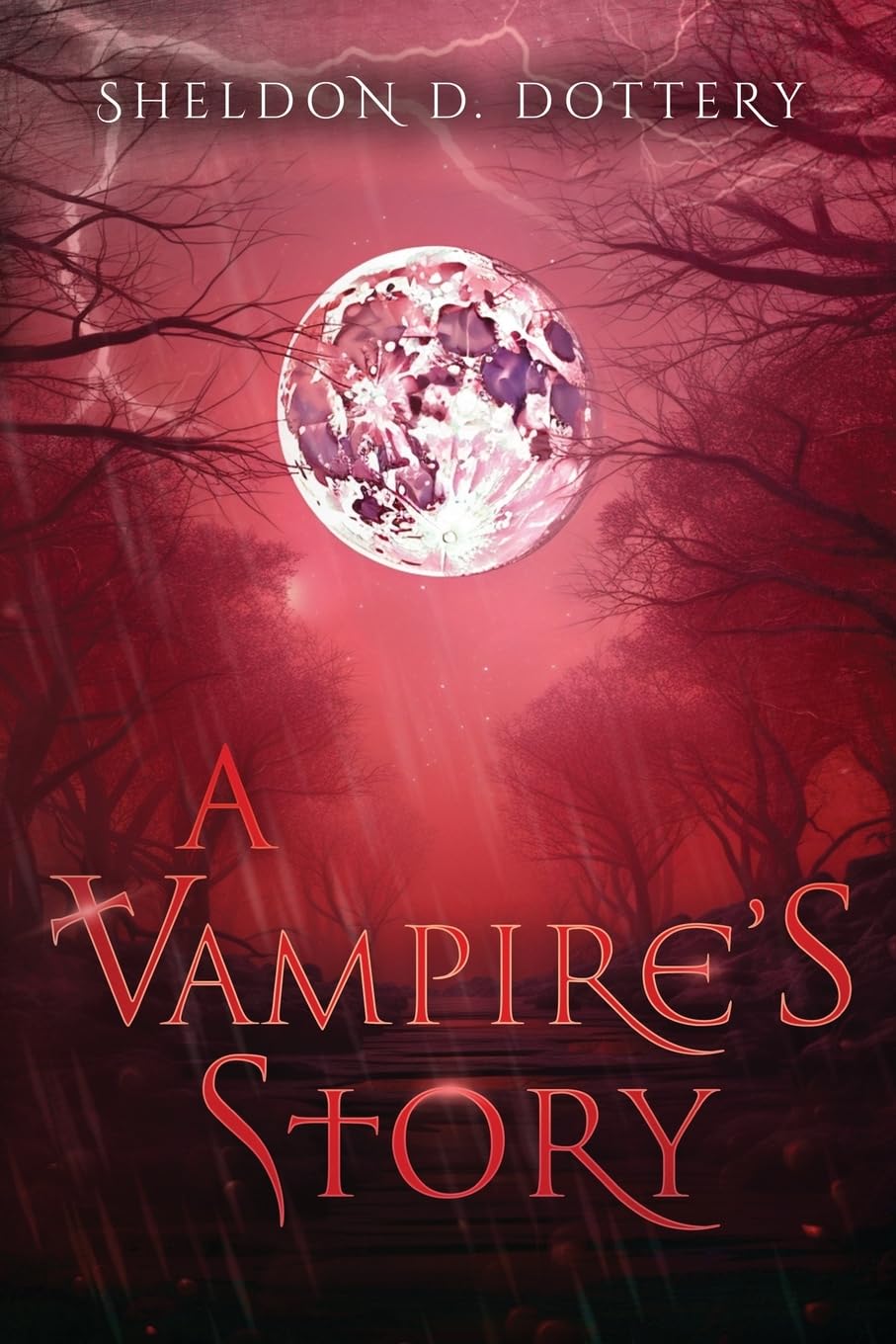
But was he ever real? And if so, what did he leave behind? The answer is far more chilling than you might think, and it ties directly into the haunting world of A Vampire’s Story, where ancient power and modern bloodlines collide.
While Dracula by Bram Stoker is a work of fiction, its roots lie in historical terror. The infamous character was inspired in part by Vlad III, known as Vlad the Impaler. He was a 15th-century prince of Wallachia whose brutal methods of punishment earned him a horrifying legacy. Vlad was said to impale enemies by the thousands, leaving their bodies rotting on stakes outside his castle. Locals believed he drank blood and made pacts with dark forces. Whether those stories were real or exaggerated, they fed into a myth that never died.
But vampire folklore didn’t begin with Dracula, and it didn’t end with him either.
Across cultures and continents, tales of blood-drinking entities have endured. For example, in Eastern Europe, legends speak of the strigoi. They are undead spirits that rise from the grave to feed on the living. In Africa, the asasabonsam hangs from trees with iron teeth. They are said to snatch people as they pass. The Philippines has the manananggal. He is a terrifying creature that separates its upper body from the lower half and flies at night to drink blood. Even in ancient Greece, the lamia was said to feast on children and seduce men before draining their life.
Everyone has heard these myths. Almost all cultures have created their own vampires, and they are frequently far more terrifying than we can fathom. Regardless of whether these monsters are fictional or realistic, this raises the question of why we continue to dream about creatures that resemble us but survive forever by devouring others.
In Sheldon D. Dottery’s novel, the vampire is no longer cloaked in aristocratic mystery. According to this contemporary interpretation, this book presents vampires as real people, not just myths from antiquity. They carry grief, regret, rage, and longing. They are not only predators but also victims of the very hunger that defines them.
It begins with Michael. He is a regular guy just trying to make it in life with his girlfriend Vanessa and his best friend Derek. But everything changes one rainy night in a dark alley. A bite. A death. A rebirth. And suddenly, Michael is no longer a man. He becomes a predator.
The novel ties back to global folklore through characters like Ariesa, a vampire with centuries of knowledge and a dangerously theatrical flair, reminiscent of the noble predators in old-world myths. And like Vlad, Aries doesn’t just feed. He teaches, manipulates, and revels in the transformation of others.
But what sets Dottery’s universe apart is how personal the fear becomes. Michael is not a legend or a myth. He is a person you might know. His pain is raw, his confusion is palpable, and his story blurs the line between folklore and everyday horror that birthed a vampire created by tragic chance rather than ancient evil.
Although Dracula’s legacy contributed to the creation of one of the most iconic monsters in fiction, his presence can appear real in a historical sense. But what distinguishes him from the other creatures that endure in all cultures is his identity, the notion of the cursed immortal caught between life and death, who has the power to manipulate and turn us into a blood-sucking monster. What if you ever encounter Dracula in the darkness? Perhaps in the quiet corners of a narrow and isolated street. Would you be able to escape?
Grab your copy to discover the answer: www.amazon.com/dp/1662898657.